Physical Address
Better Globe Forestry Ltd,
Kileleshwa, Nairobi, Kenya
P.O Box 823-00606
Physical Address
Better Globe Forestry Ltd,
Kileleshwa, Nairobi, Kenya
P.O Box 823-00606
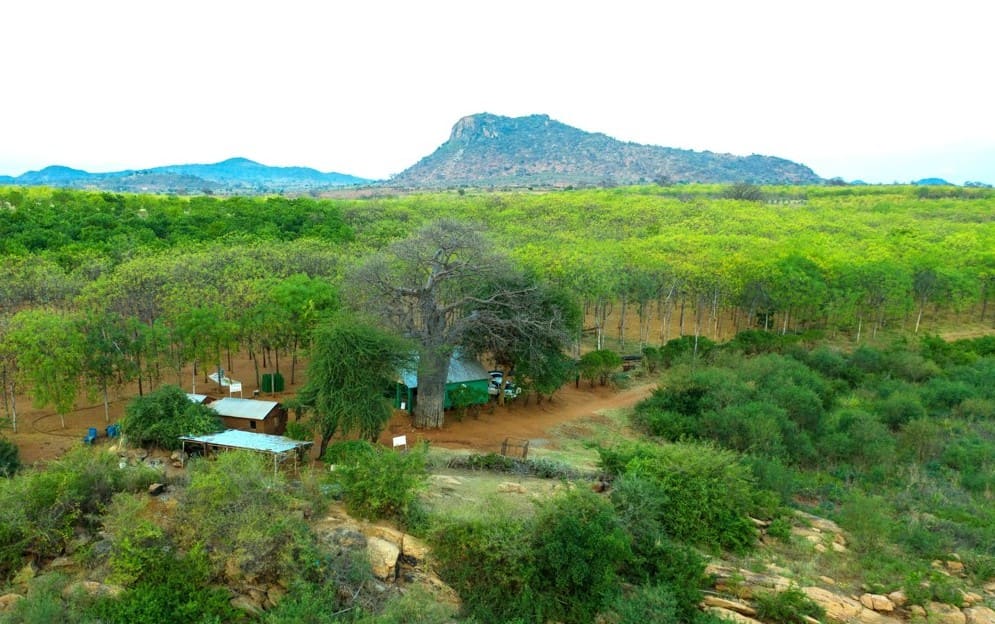
At Better Globe Forestry, we believe that forestry is not just about trees, it is about people, partnerships, sustainability, and long-term economic value. As we continue developing dryland afforestation projects across East Africa, we’re often asked: What makes a forestry venture successful?
Here are five key insights we’ve learned on the ground, in the boardroom, and through years of hands-on implementation.
1. Think Big, or Stay Small
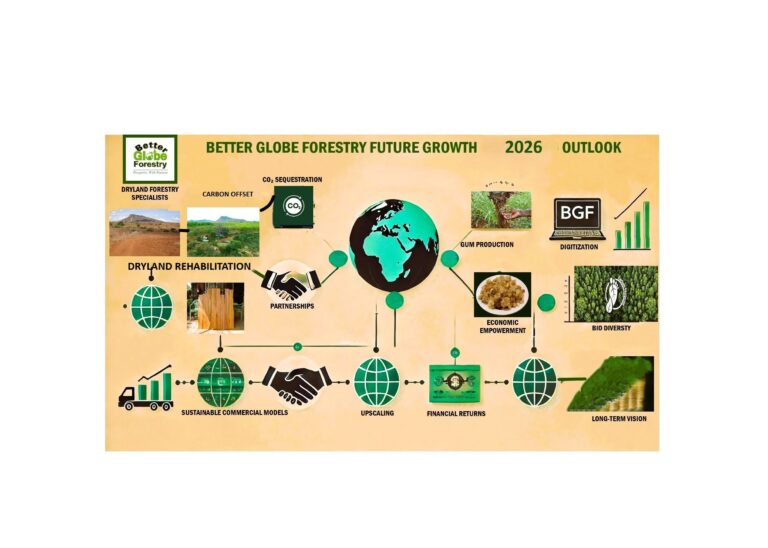
Success in forestry requires scale. It’s a business where impact and viability increase exponentially with size, thousands of hectares, millions of trees, and thousands of farmers. This is not just about ambition, it’s what investors look for, and it’s what governments want when they talk about sustainable land-use change.
Only at scale do you achieve measurable environmental restoration, social impact, and economic returns that justify the investment and effort.
2. No Forestry Without People
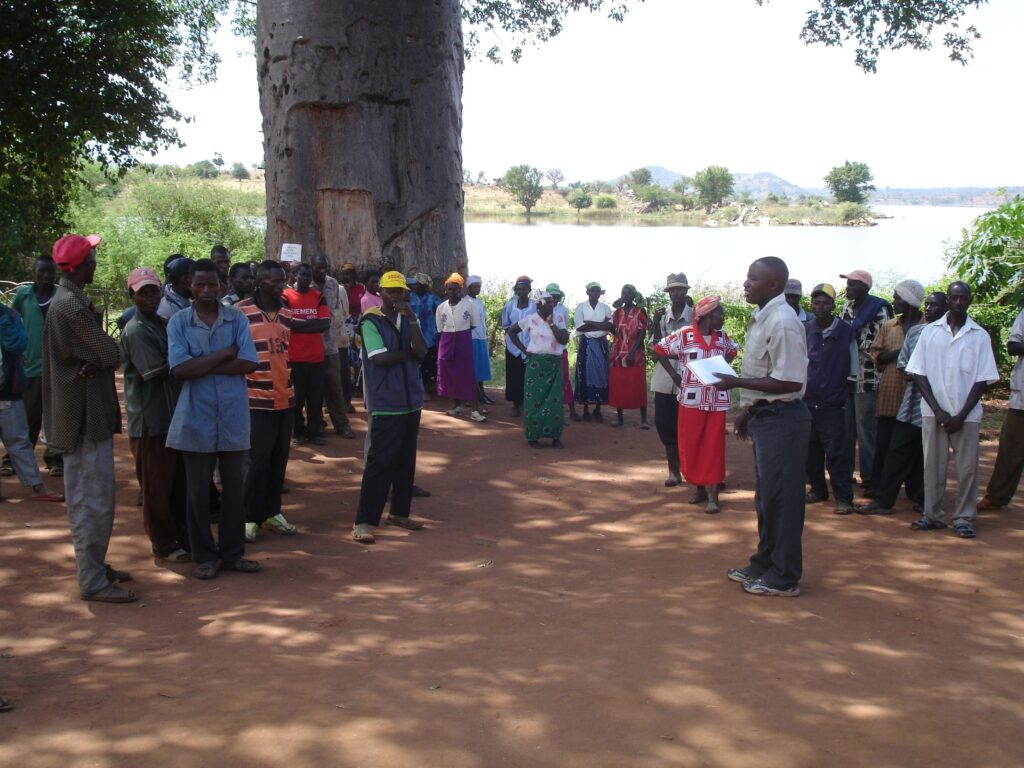
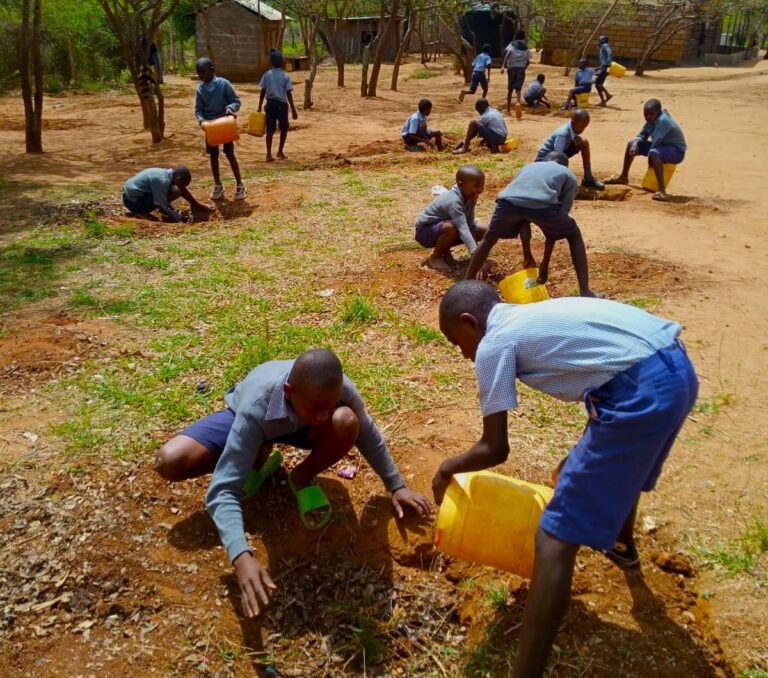
Forestry cannot succeed in isolation from people. Especially in drylands, forestry is inherently social. Without the buy-in, trust, and involvement of farmers, communities, and local authorities, no project is sustainable.
That’s why partnerships are non-negotiable. We build long-term relationships with:
These alliances are what drive real change, on the ground and over time.
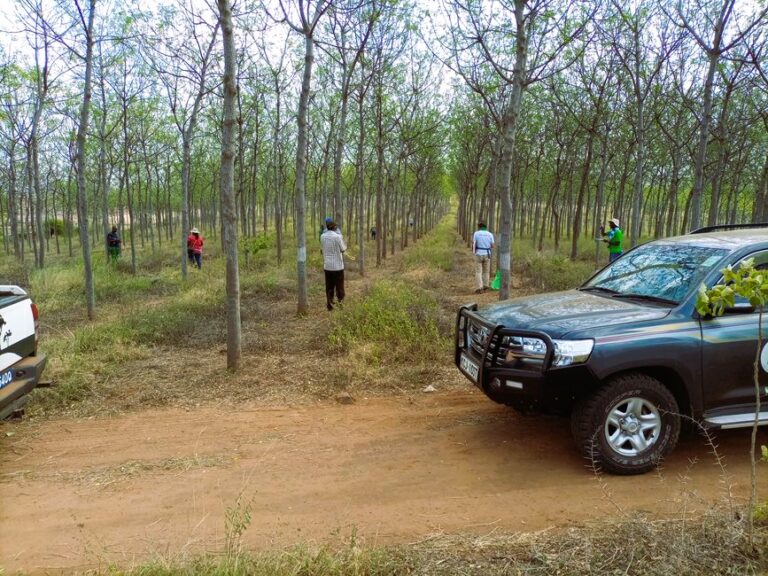
3. Dryland Afforestation Is the Future
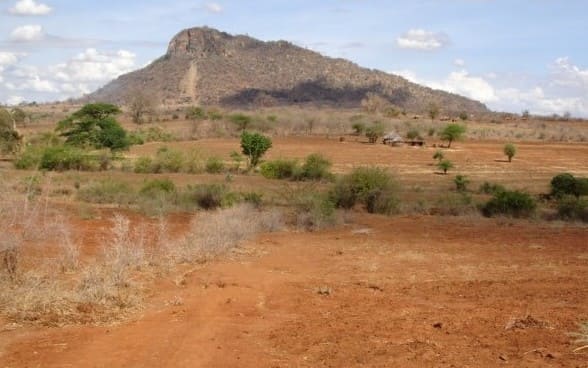
The ASAL (Arid and Semi-Arid Lands) hold the future of forestry in Africa. These landscapes offer what others don’t:
When linked with high-quality timber production, dryland forestry becomes a sustainable business model with unmatched environmental and socio-economic impact. In our view, it is the most powerful tool for uplifting ASAL communities, aside from mineral extraction.
4. Yes, It’s Tough, but the Rewards Are Worth It
Forestry is not easy. From unpredictable weather to long gestation periods, from community engagement to technical oversight, every mistake matters.
But the rewards, both in impact and in return on investment, are enormous. Done right, forestry generates income for decades, builds local economies, and delivers on global climate goals. Carbon finance can help launch projects, but it is timber that sustains them.
5. Timber: The Long-Term Driver
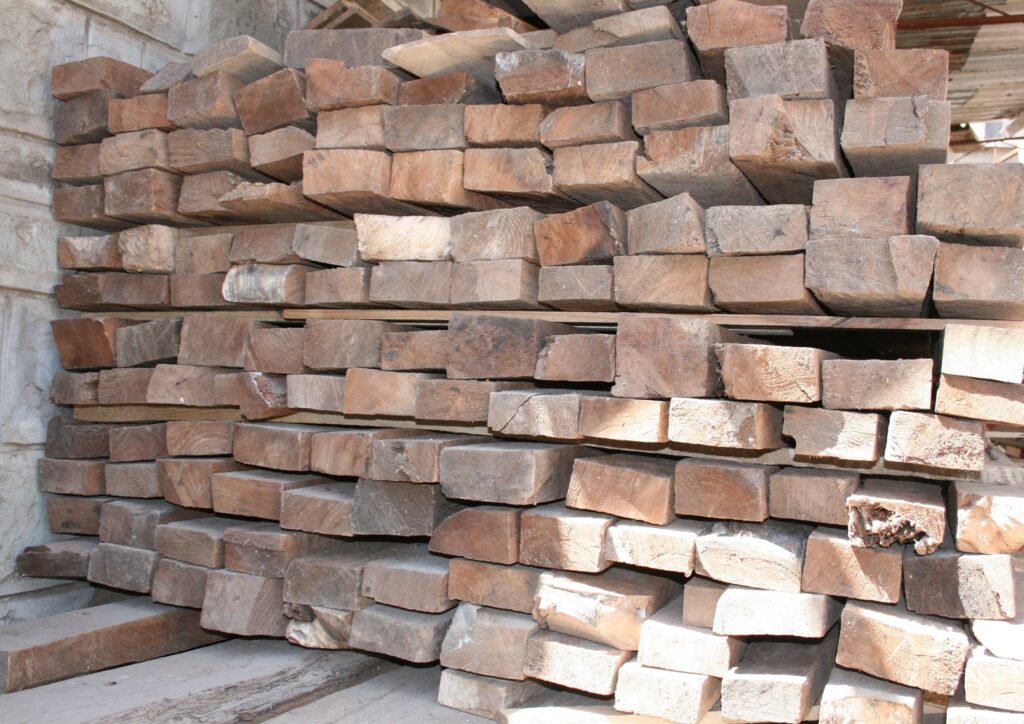
We see carbon finance as a catalyst, but not the final objective. The real, lasting value of forestry lies in a healthy timber value chain that serves both local and global markets.
Carbon may bring early funding and visibility, but it’s timber that pays the bills and sustains the model. A successful forestry enterprise must build toward that.
Final Thought: A Green Revolution Is Growing
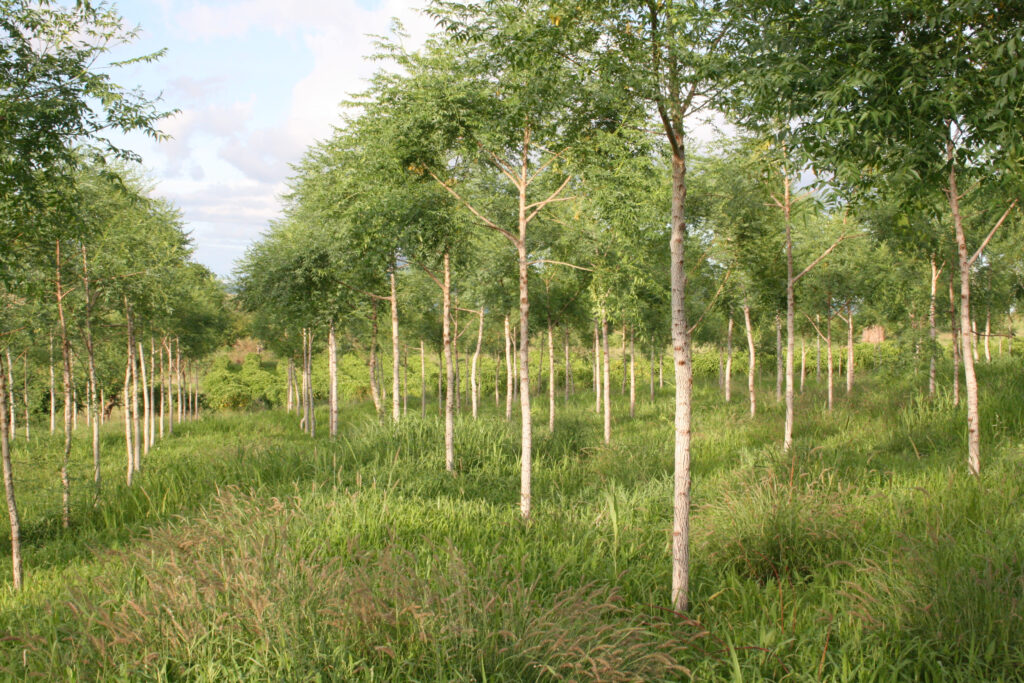
What we are witnessing, across Kenya, Uganda, and beyond, is the start of a green revolution. It’s one grounded in trees, but fueled by partnerships, purpose, and pragmatism. The work is hard, but the future it unlocks, for people, planet, and profits, is worth every step.
At Better Globe Forestry, we are proud to be part of this transformation.